The Sustainable Design Approach
The Berkshire Design Group, Inc. has been leading sustainable design strategies for the New England Region since 1984. We work with our clients holistically to craft an integrated project that minimizes negative impacts on the environment and improves a project’s immediate surroundings. We’ve been reducing greenhouse emissions, improving water quality, and developing cutting edge design solutions since the firm began. Not only has the firm developed many of the prototypes and standards used by the Massachusetts Department of Environmental Protection for Stormwater Design, we’ve lead the site design and construction of the following:
First Certified Living Building Challenge in New England
First Net Zero Community in New England
First PassiveHaus Childcare Center in New England
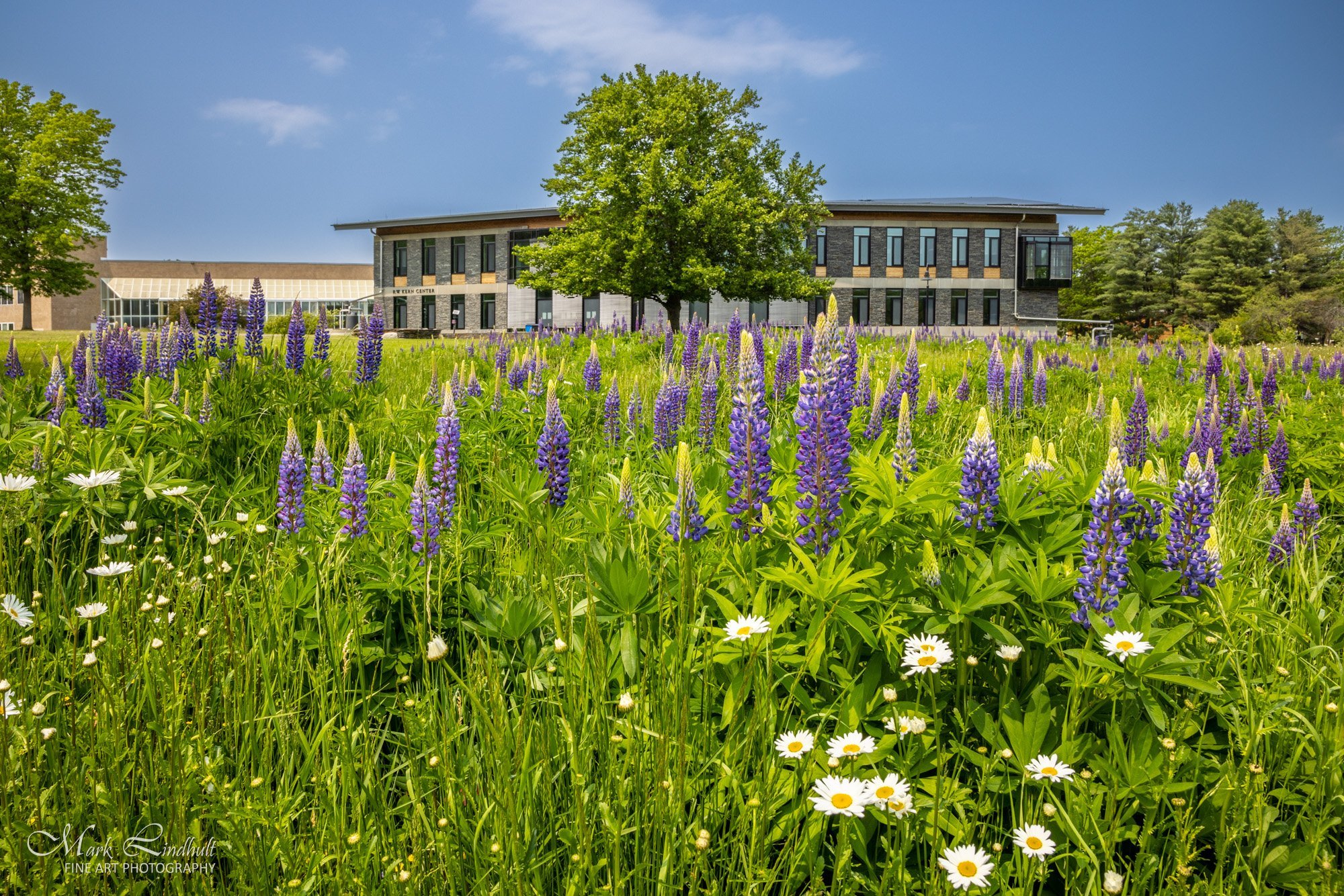
Projects have included working with Mass Development on the first Net Zero Neighborhood in Northampton, Massachusetts, the R.W. Kern Center at Hampshire College which paved the way for progressive Living Building Challenge projects in the state. The project included a net zero water system--capturing drinking water from the roof, and processing greywater within the building and the first project in the country to capture drinking water from rain water and treat without the need for chlorine.
Other project experience includes design and permitting for a range of alternative septic systems and packaged treatment plants for a variety of projects. Our team of civil engineers has been leading this charge since 1984 which has become a hallmark of our design approach
Solar
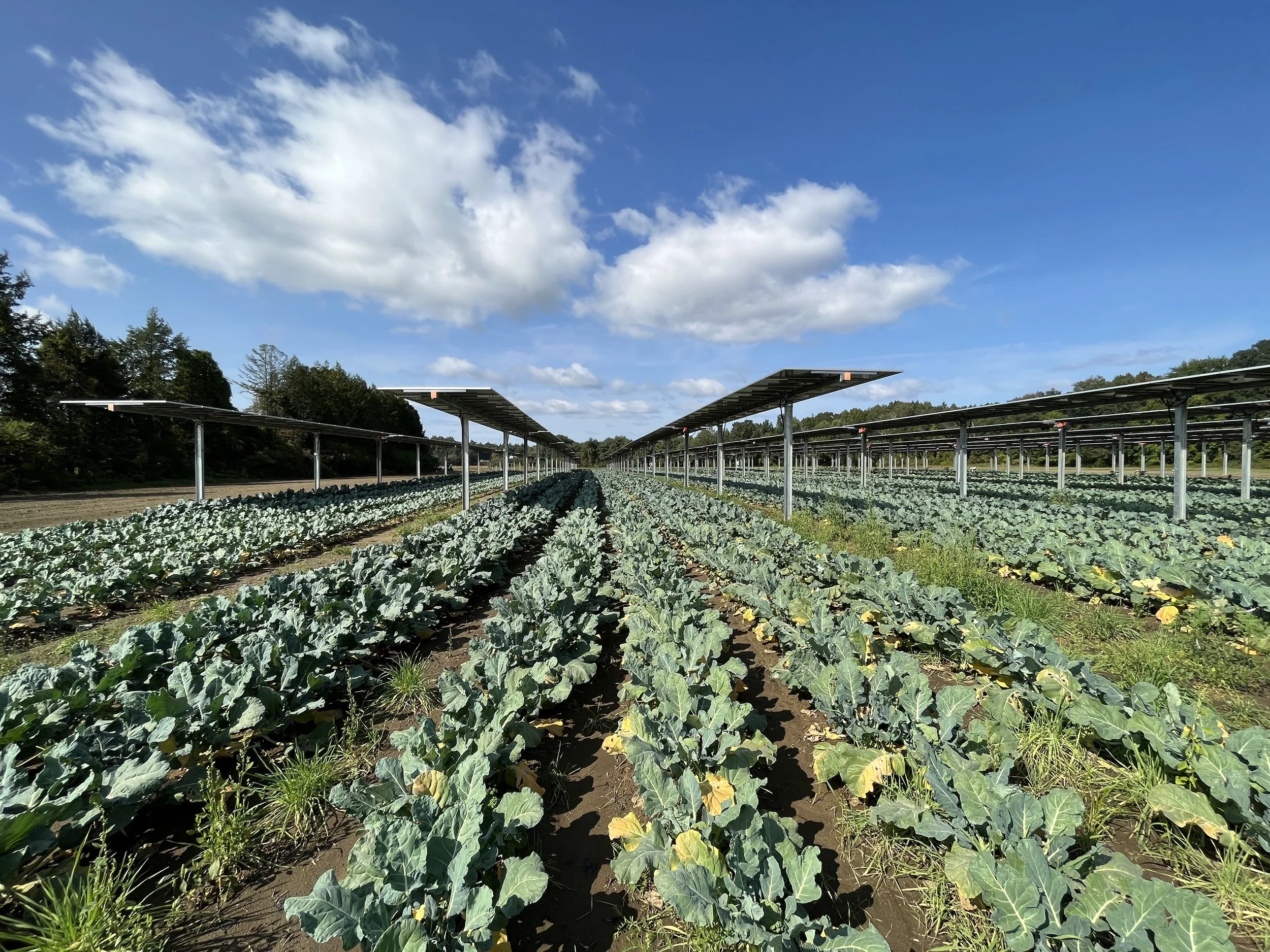
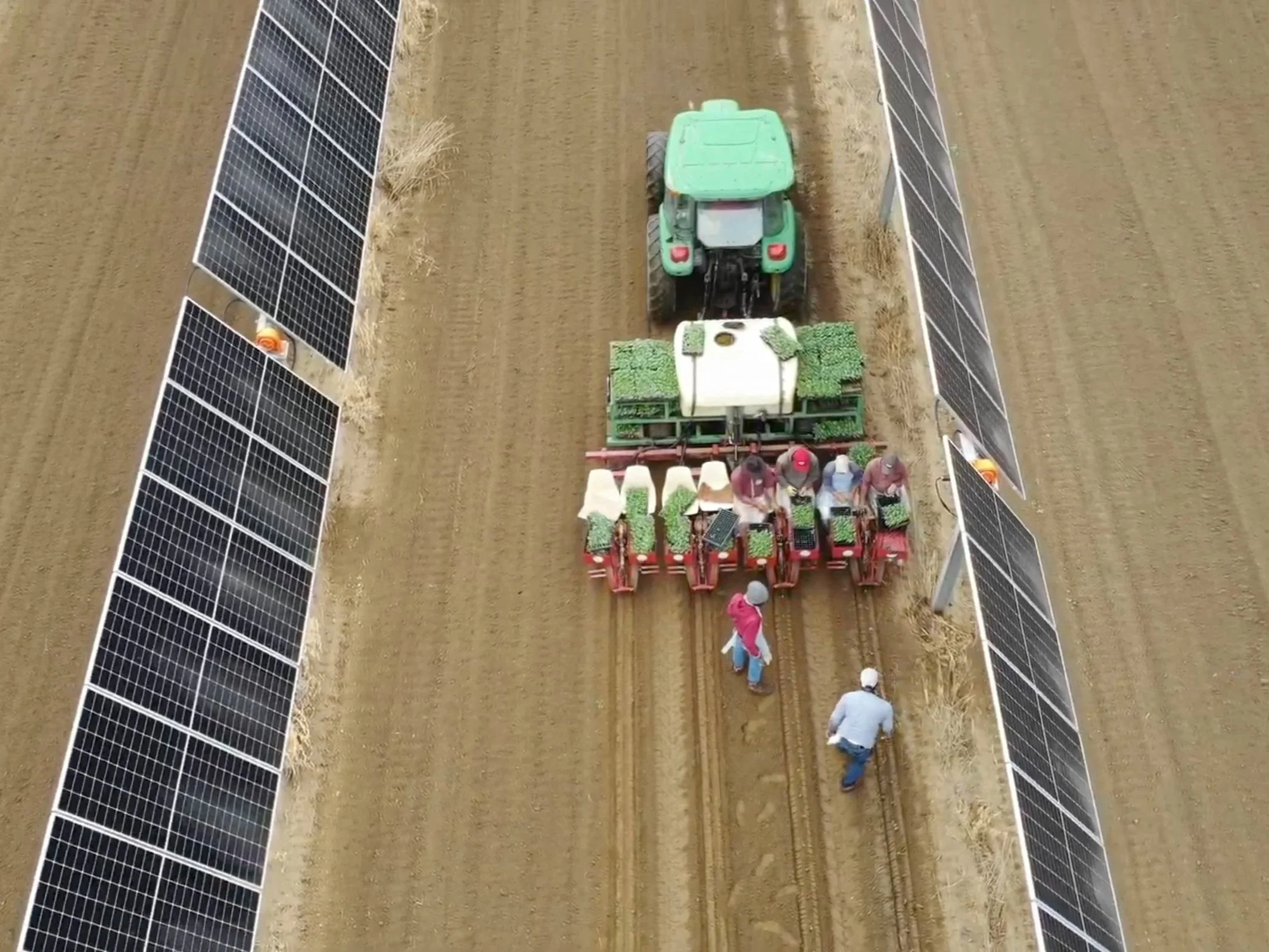
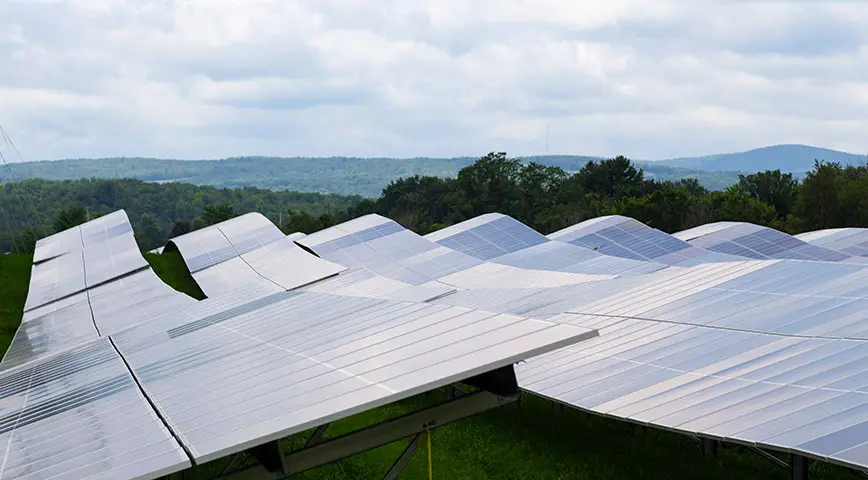
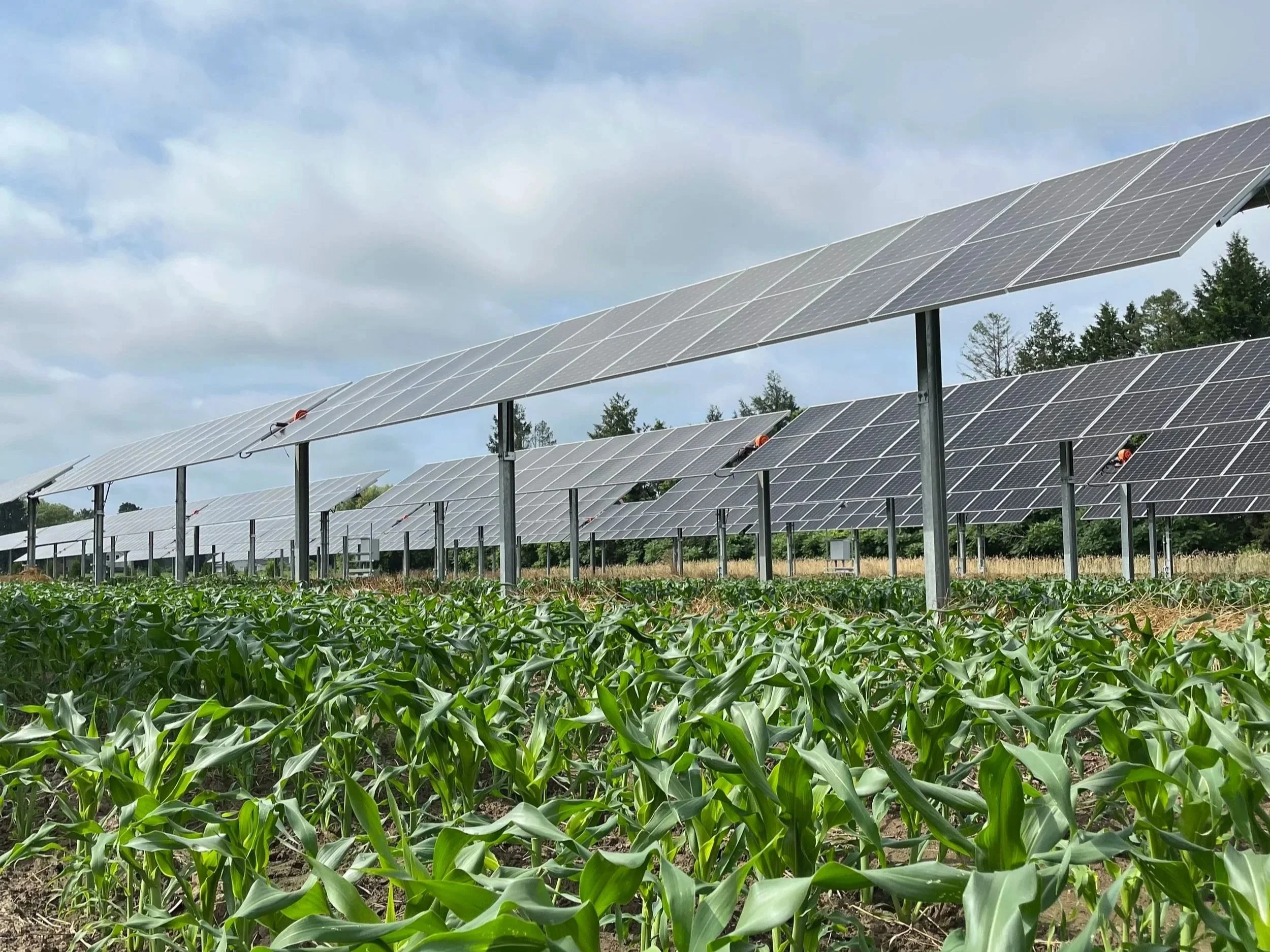
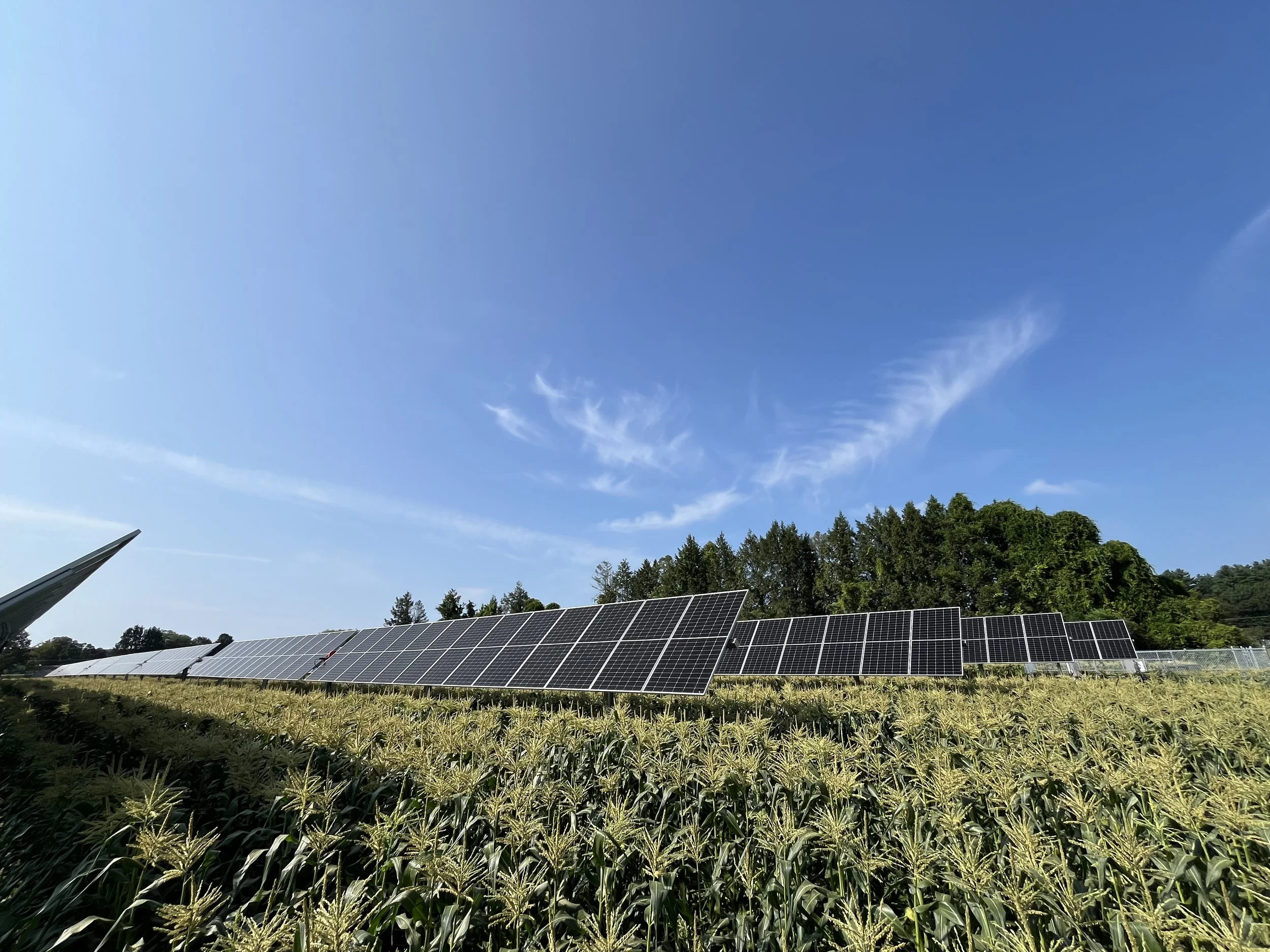
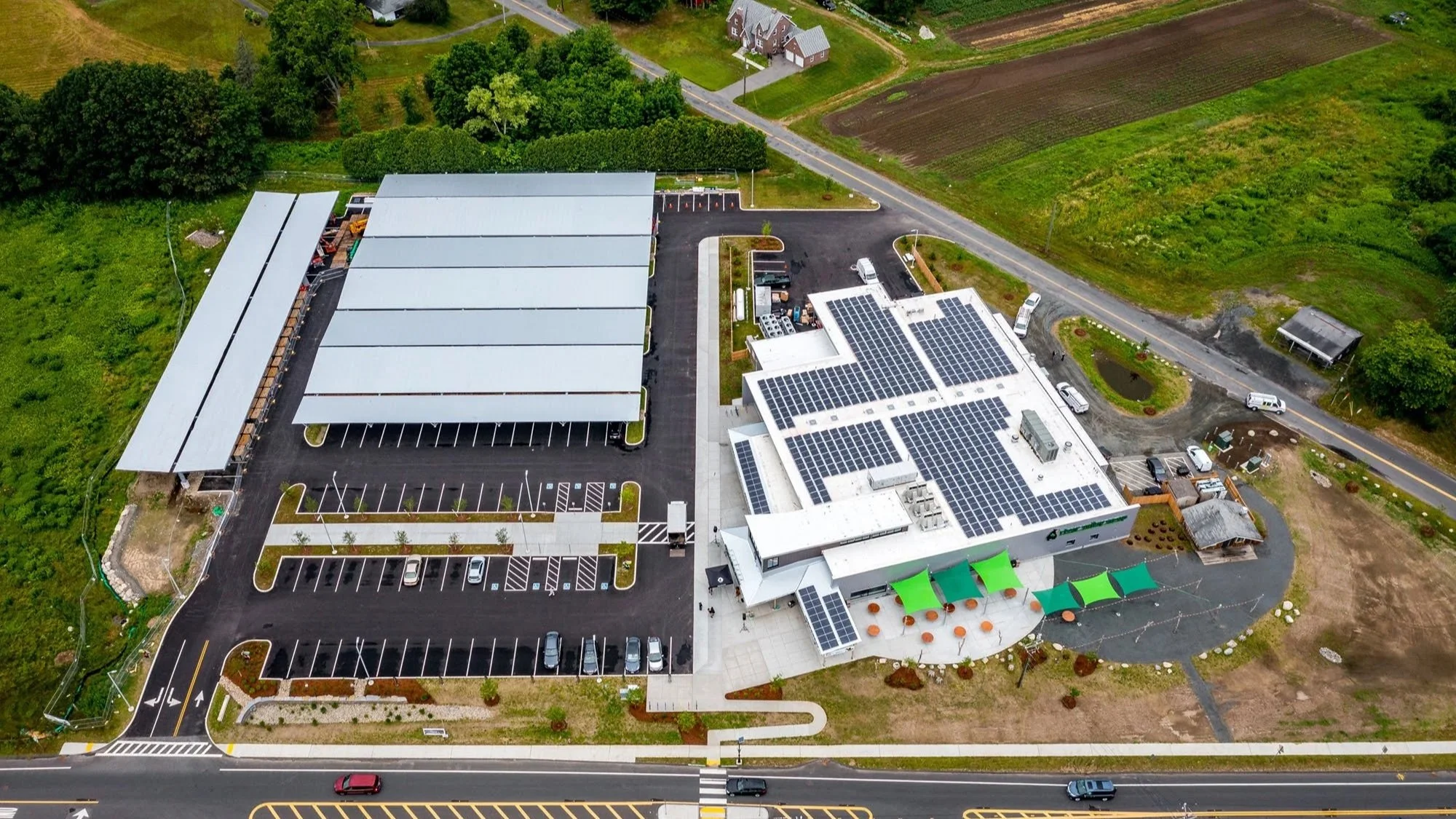
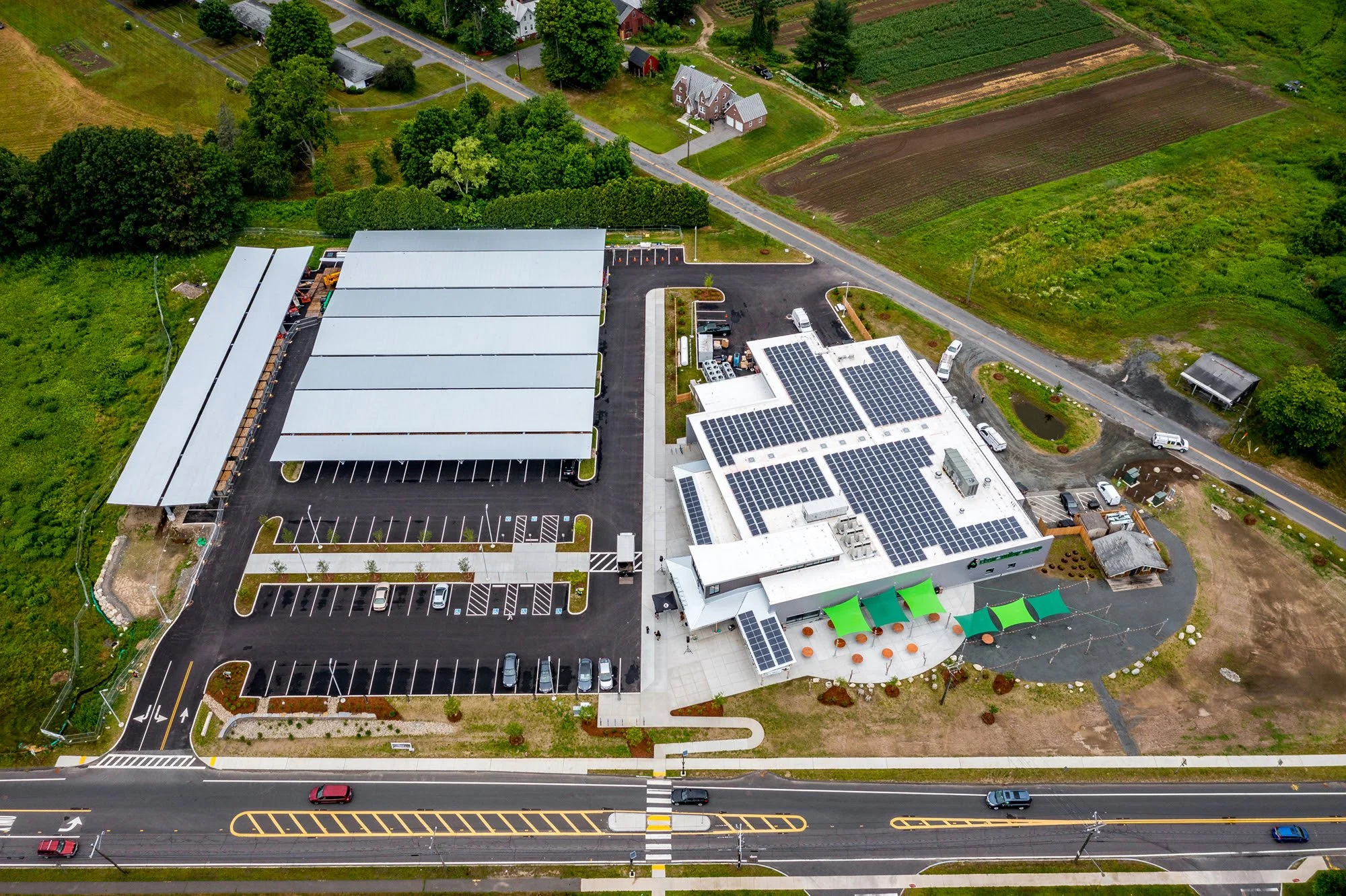
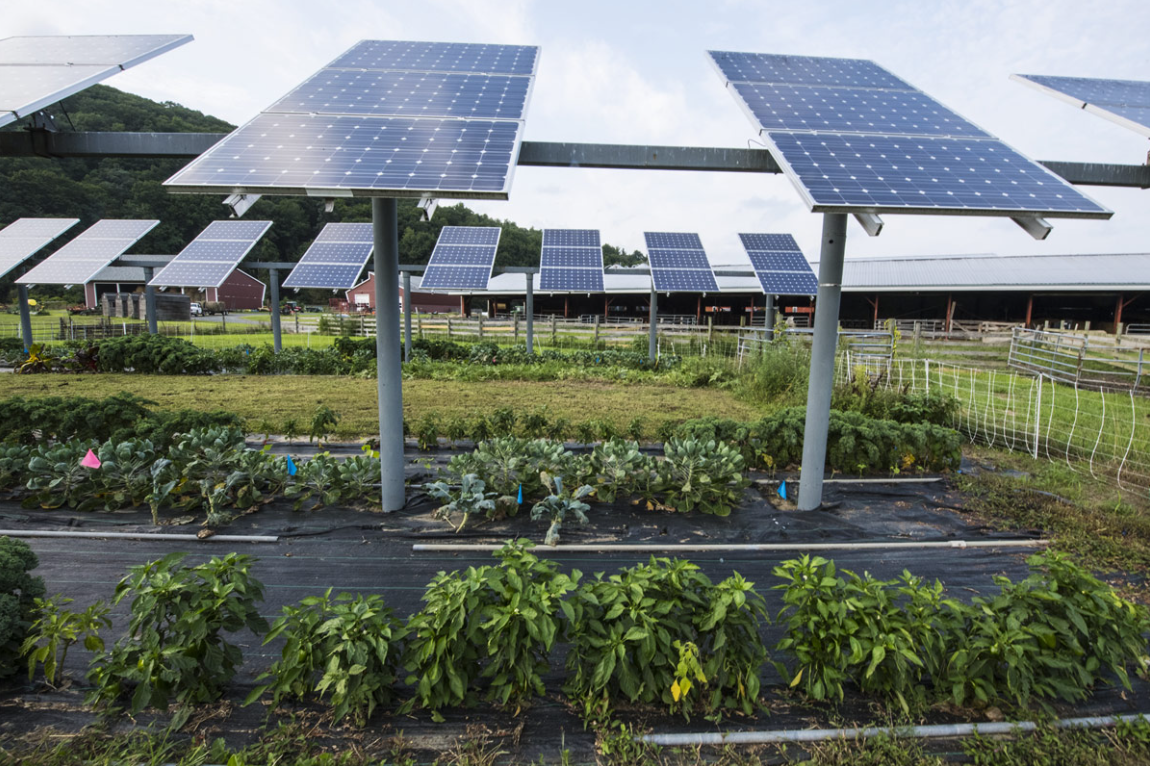
Harvesing solar energy is not a new concept. Generating clean, carbon free electricity has been at the forefront of sustainable design efforts for many years. The Berkshire Design Group has joined with many area leaders in the solar field to design, permit, and construct innovative solar projects. Our team assisted Hampshire College in developing their 4.7 megawatt system ,which offsets the entire electrical load of the campus. We worked with an area food coop on a site design for a new supermarket and solar covered parking lot which produces much of their electrical demand. More recently, and as more ground mounted arrays consume this regions valuable farm land, argivoltaics has become of increasing interest. The elevated design nature of these projects allow for an efficient use of space while allowing for grazing area for livestock, crop rows, and other land management approaches otherwise unattainable with traditional ground mounted systems.
Stormwater
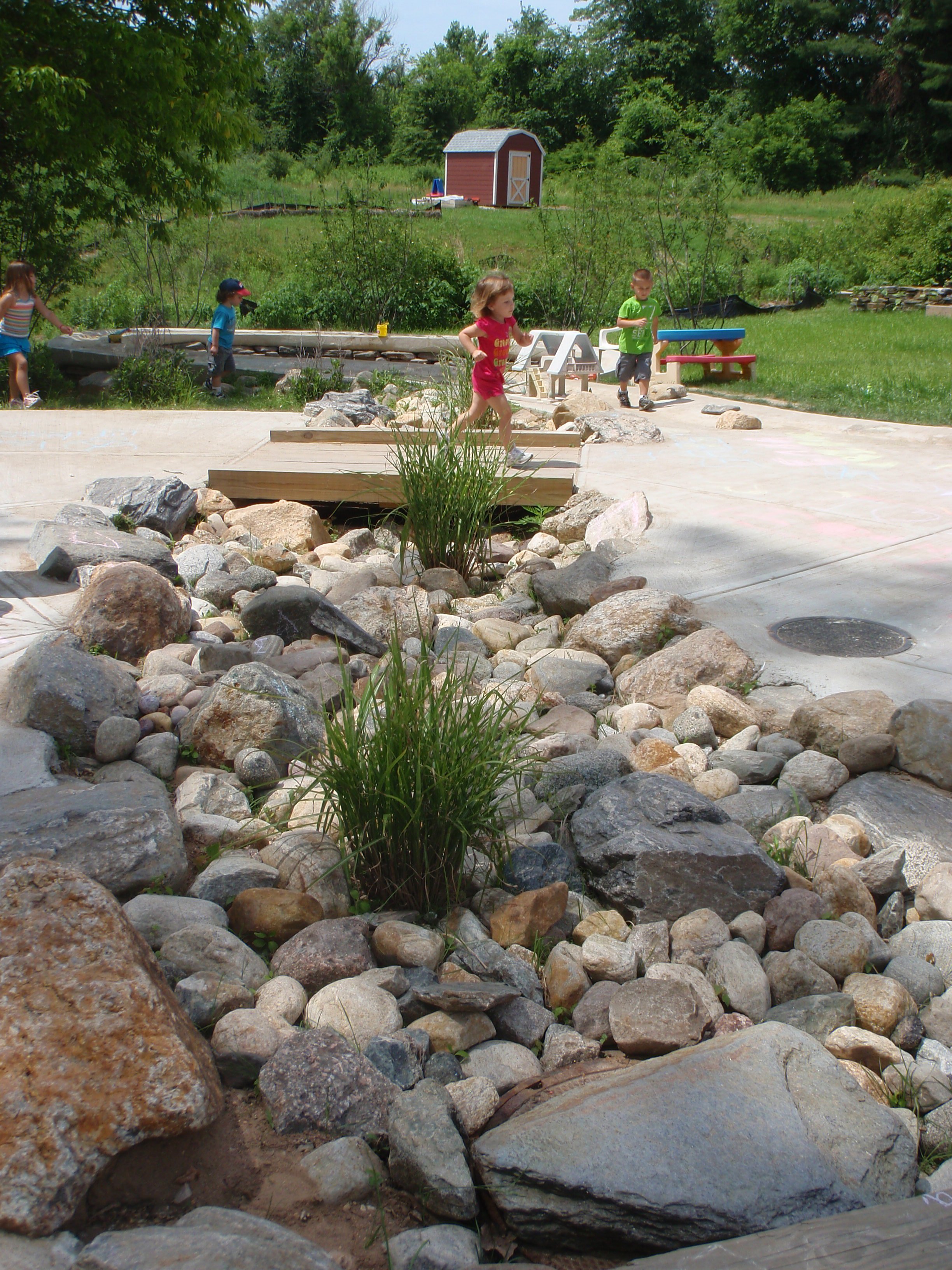
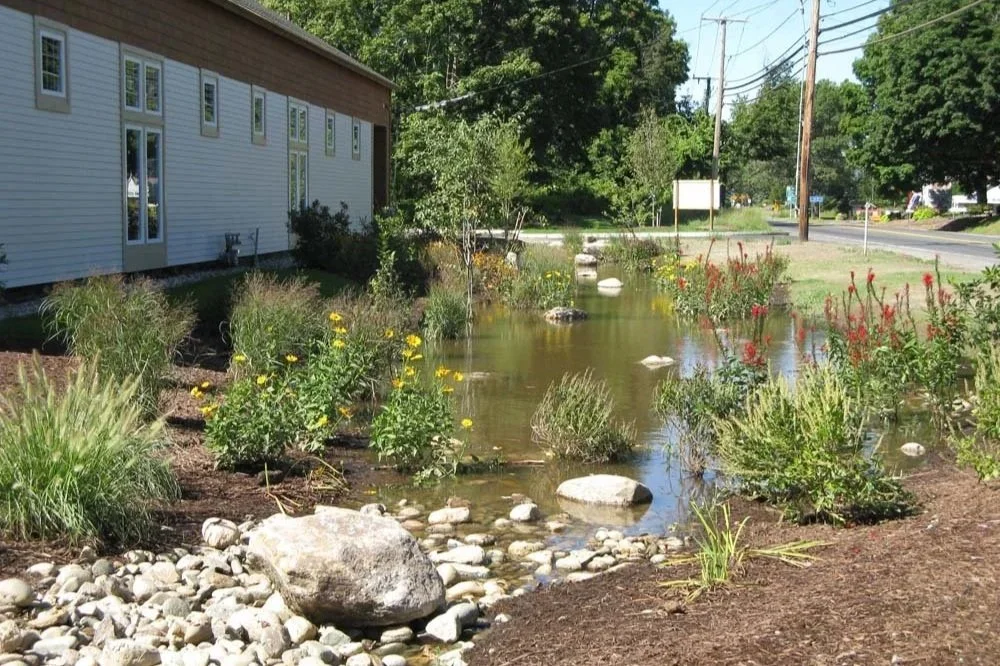
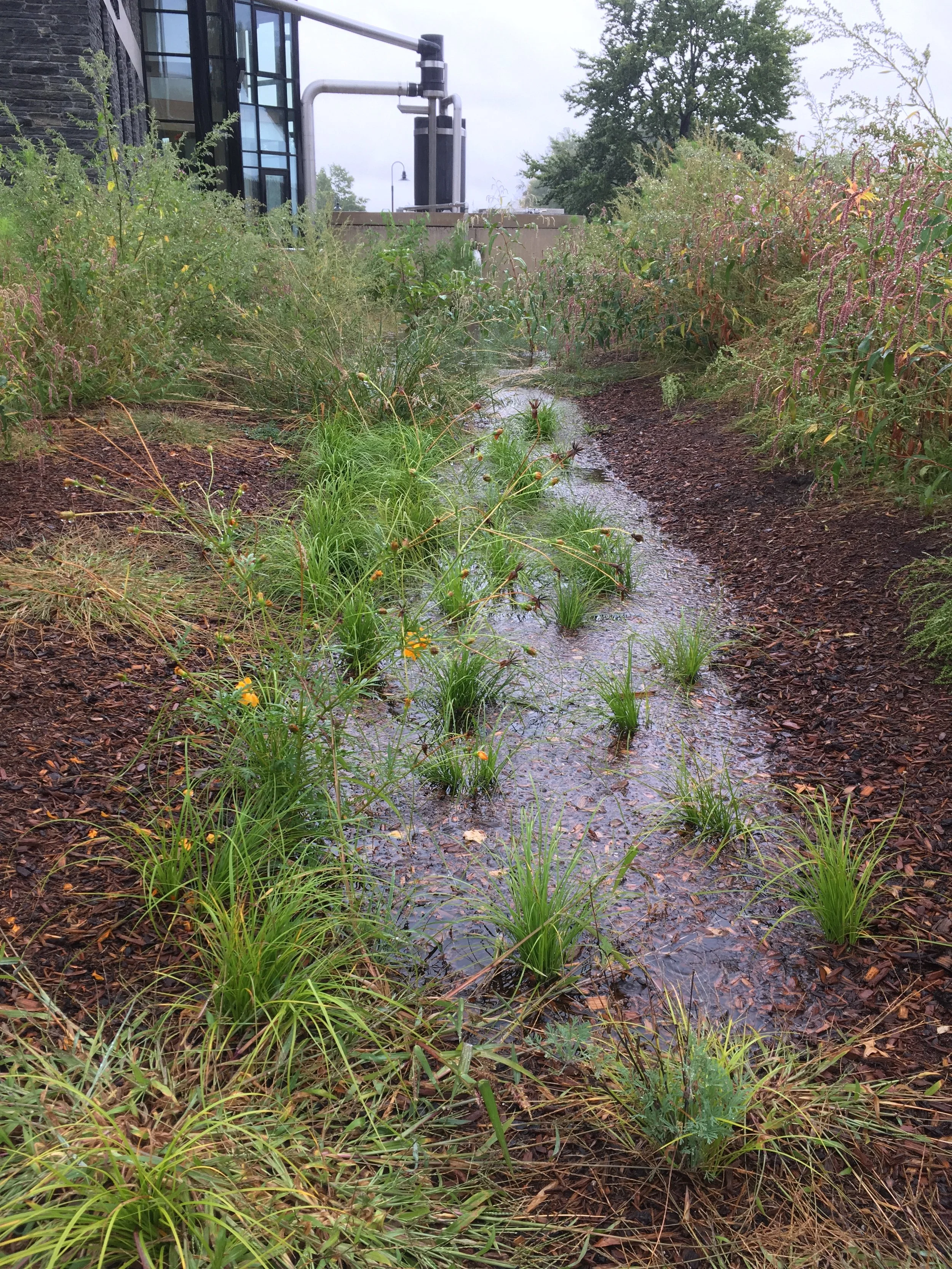
Thoughtful civil engineering and sustainable stormwater design are foundational to resilient, high-performing landscapes. By working with natural site systems—topography, soils, and hydrology—we manage stormwater as a resource rather than a liability. Integrated strategies such as infiltration, conveyance, and on-site treatment reduce runoff, improve water quality, and protect downstream infrastructure.
Our approach balances technical rigor with environmental stewardship, delivering solutions that meet regulatory requirements while enhancing the character and function of the landscape. From early feasibility through construction, we design systems that are durable, efficient, and responsive to both site conditions and long-term performance.
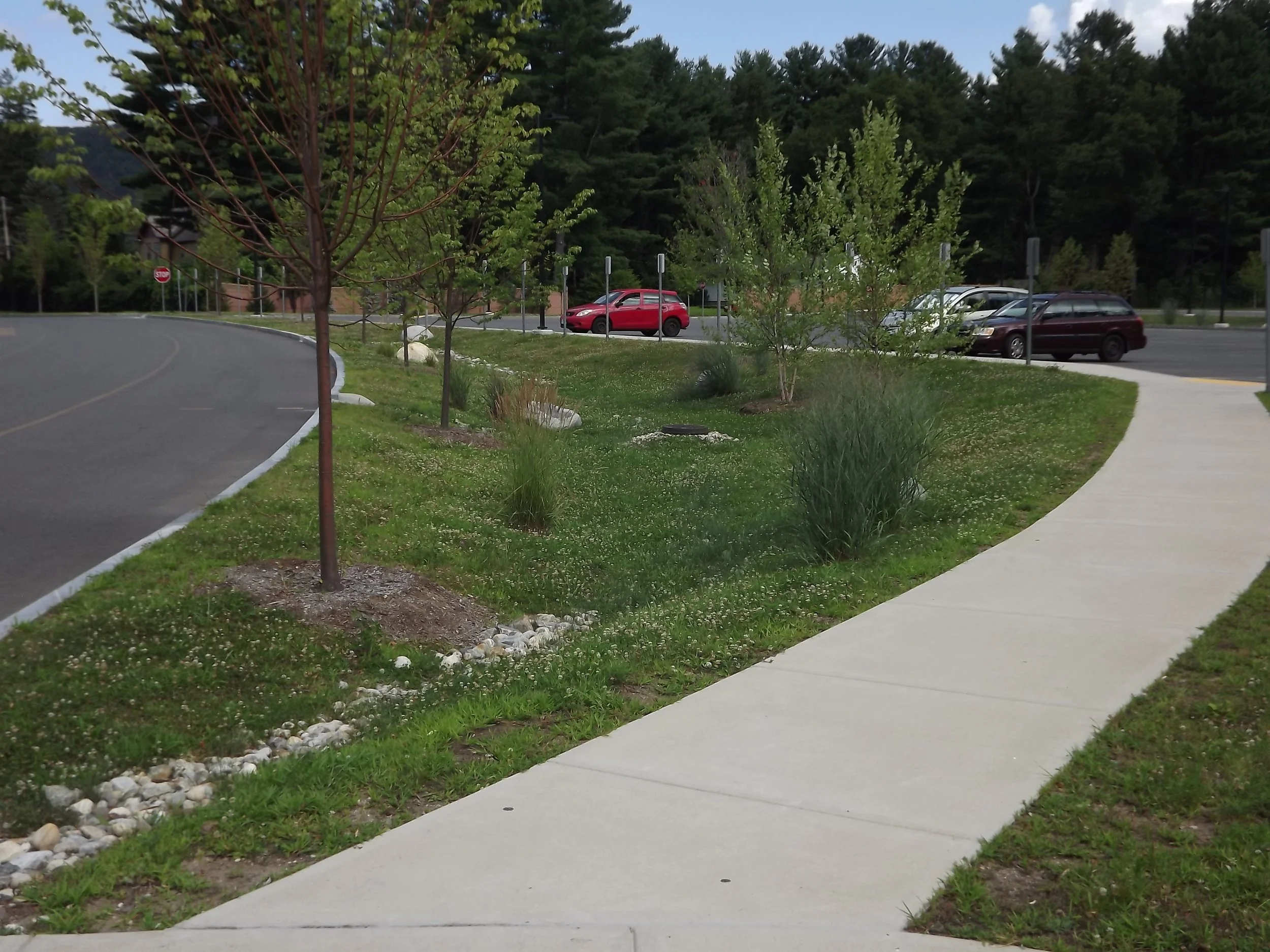
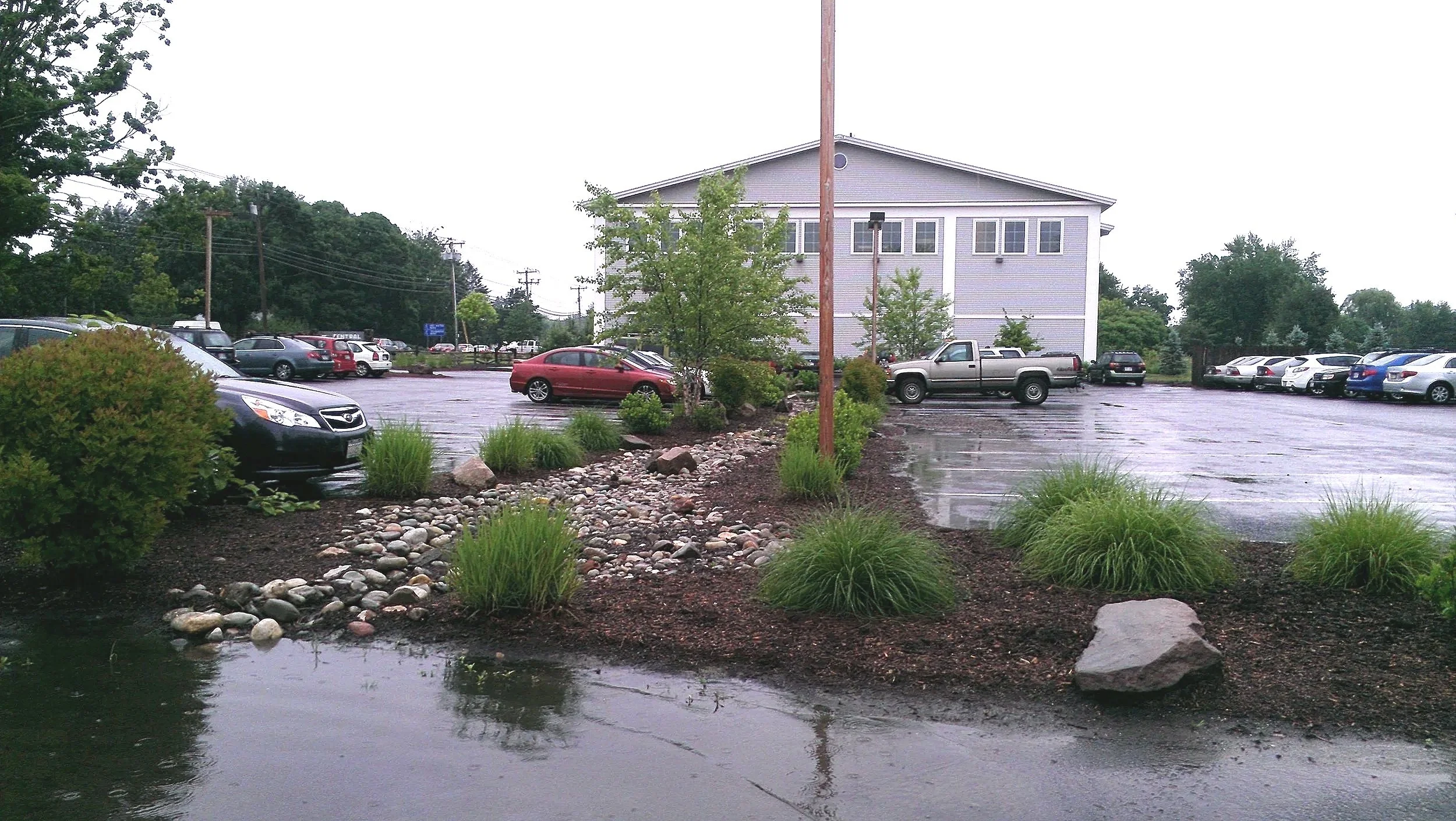
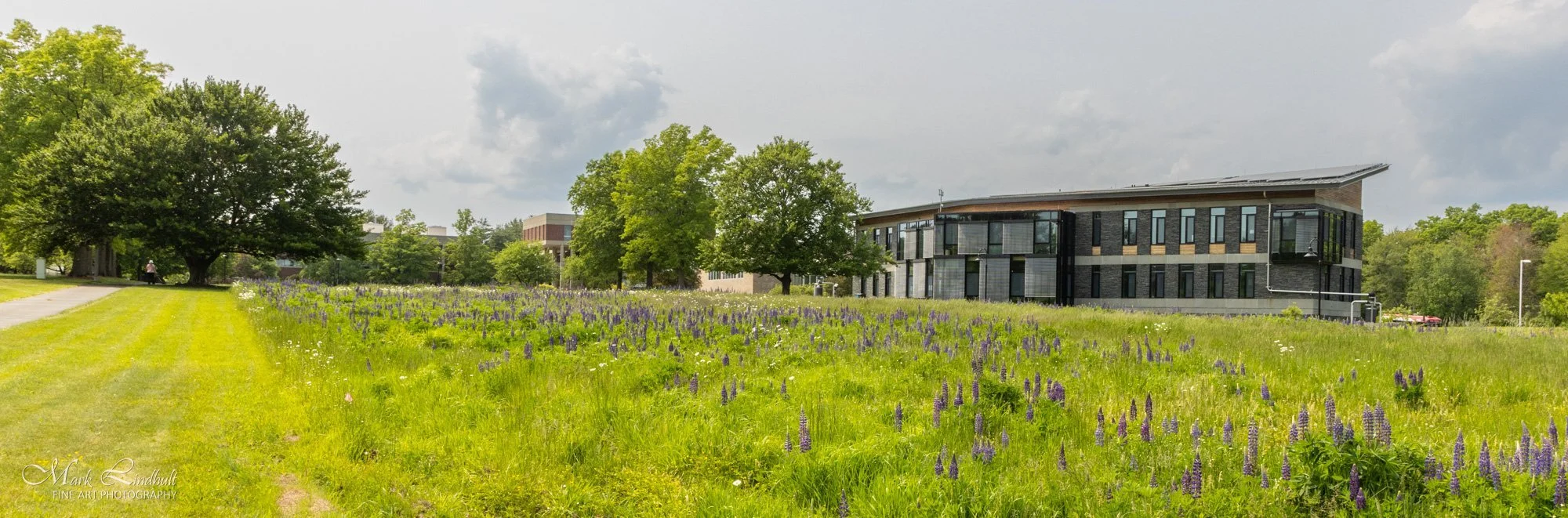
What is Green Infrastructure?
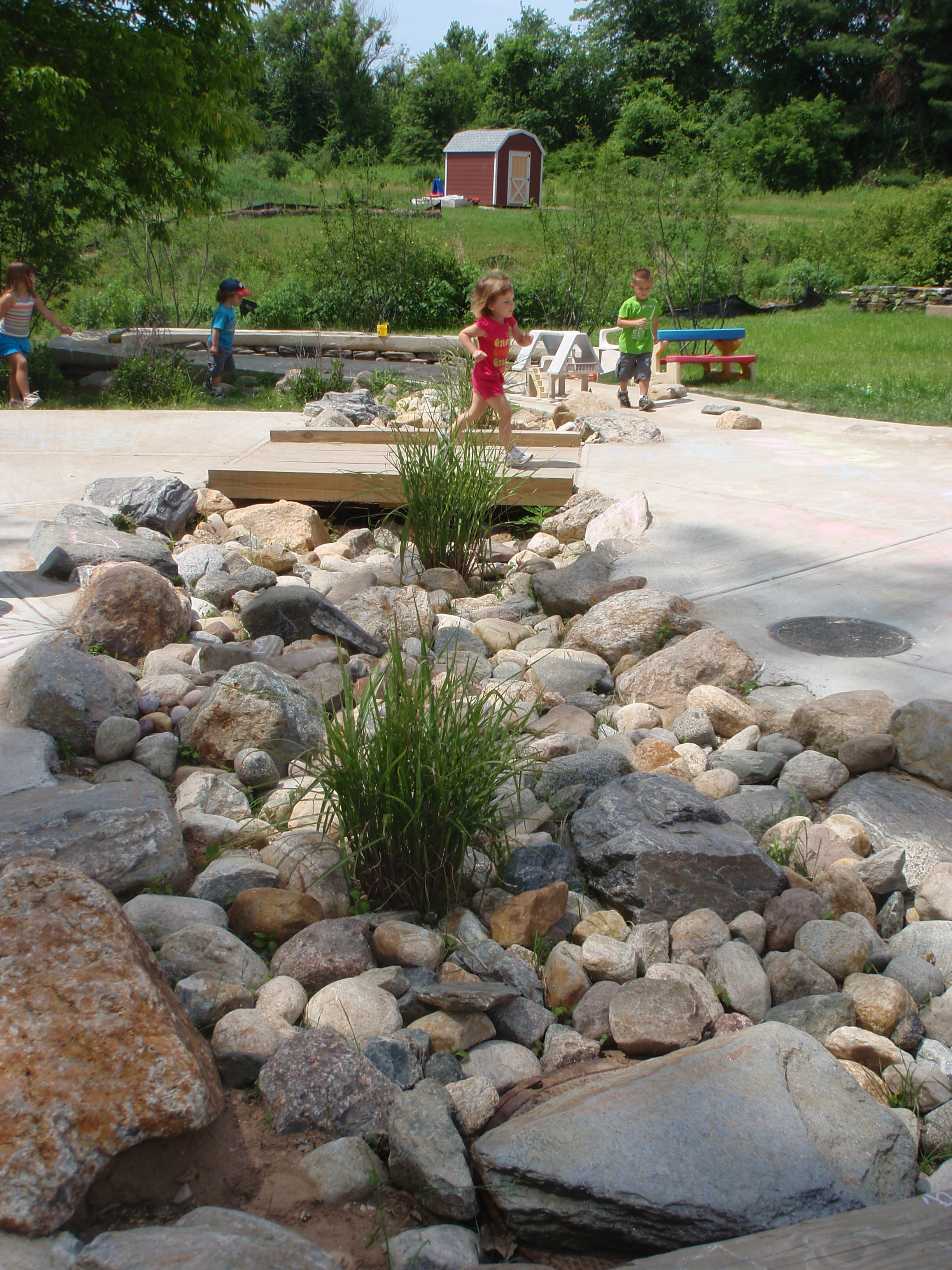

What is it? Why Does it Matter?
Green Infrastructure is typically the process of understanding natural processes and using plant/soil materials to create a more resilient environment. When done well, green infrastructure and design can:
Manage Stormwater
Improve Environmental Systems/Relationships
Provide community-centric benefits such as cleaner air, water and animal habitat
Mimic natural water cycles
Provide ecological solutions to naturally ‘grey infrastructure’ systems
Deter invasive plant species
Reduce greenhouse emissions
Use nature-based solutions to be cost effective
Sequester Carbon and other toxic chemicals from soils
Increase local, state and national economies
The Berkshire Design Group has been a leading group of highly talented and skilled professionals in New England since 1984. Our team has been able to spearhead many green infrastructure projects, among them are the following LEED Certified/Living Building Certified Projects:
LEED CERTIFIED:
Northampton Police Department – LEED Gold
Smith College Friedman Apartment Complex – LEED Gold
Kendrick Place, Amherst, MA – LEED Gold
Olympia Place, Amherst, MA – LEED Gold
Northampton Senior Center – LEED Silver
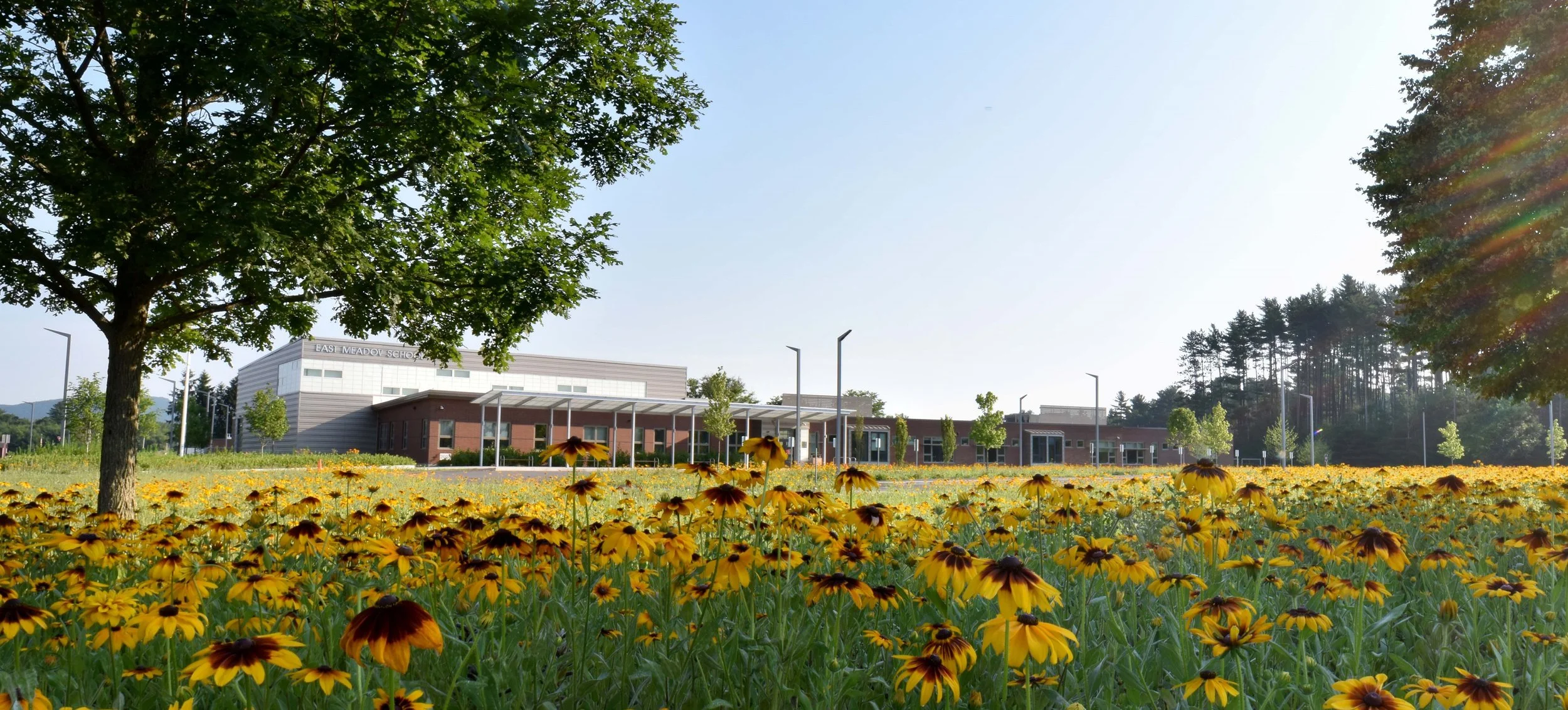
Granby East Meadow Elementary School- LEED Silver
Grafton Library - LEED Silver Anticipated
Holyoke Middle Schools – LEED Silver Anticipated
Living Building Certified:
Hampshire College R.W. Kern Center
Hampshire College Hitchcock Environmental Education Center
Smith College Bechtel Environmental Classroom
First Certified Living Building in Eastern U.S.
Lloyd Center for the Environment Welcome Center
Pursuing Living Building Challenge
Class of 1966 Environmental Center
Rainwater Harvest Design Consulting
Sustainable Development methods we use include:
Bioretention Basins
Agrivoltaic Systems
Rainwater Harvesting/Stormwater Recycling
Rain Gardens
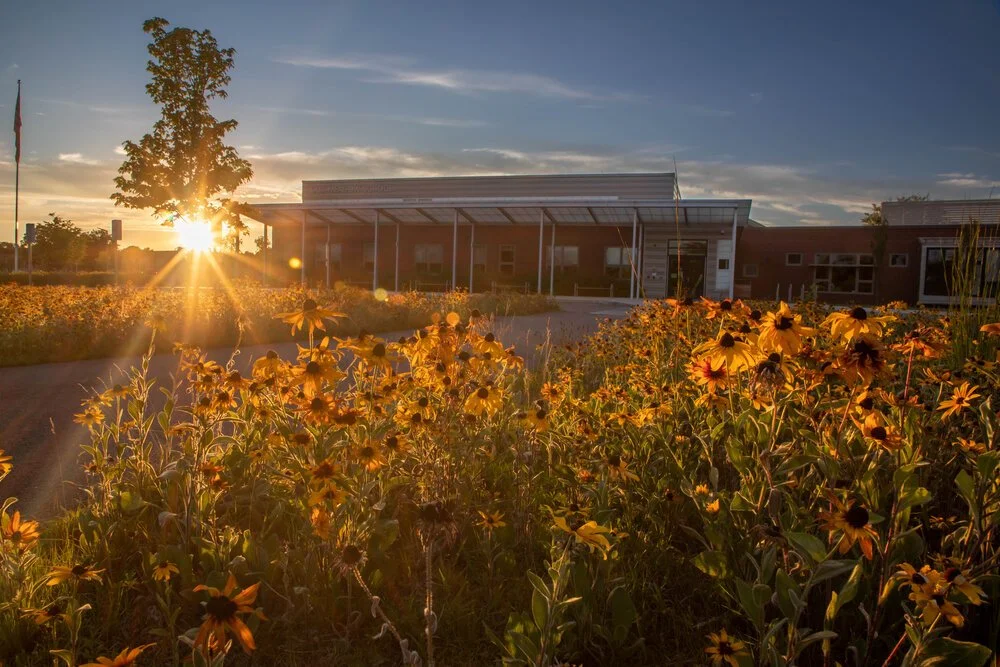
Pollinator Meadows
Carbon Sequestration Planting
Bioretention swales
Bioswale Parking Islands
Stormwater Recycling
Structural Soil Analysis
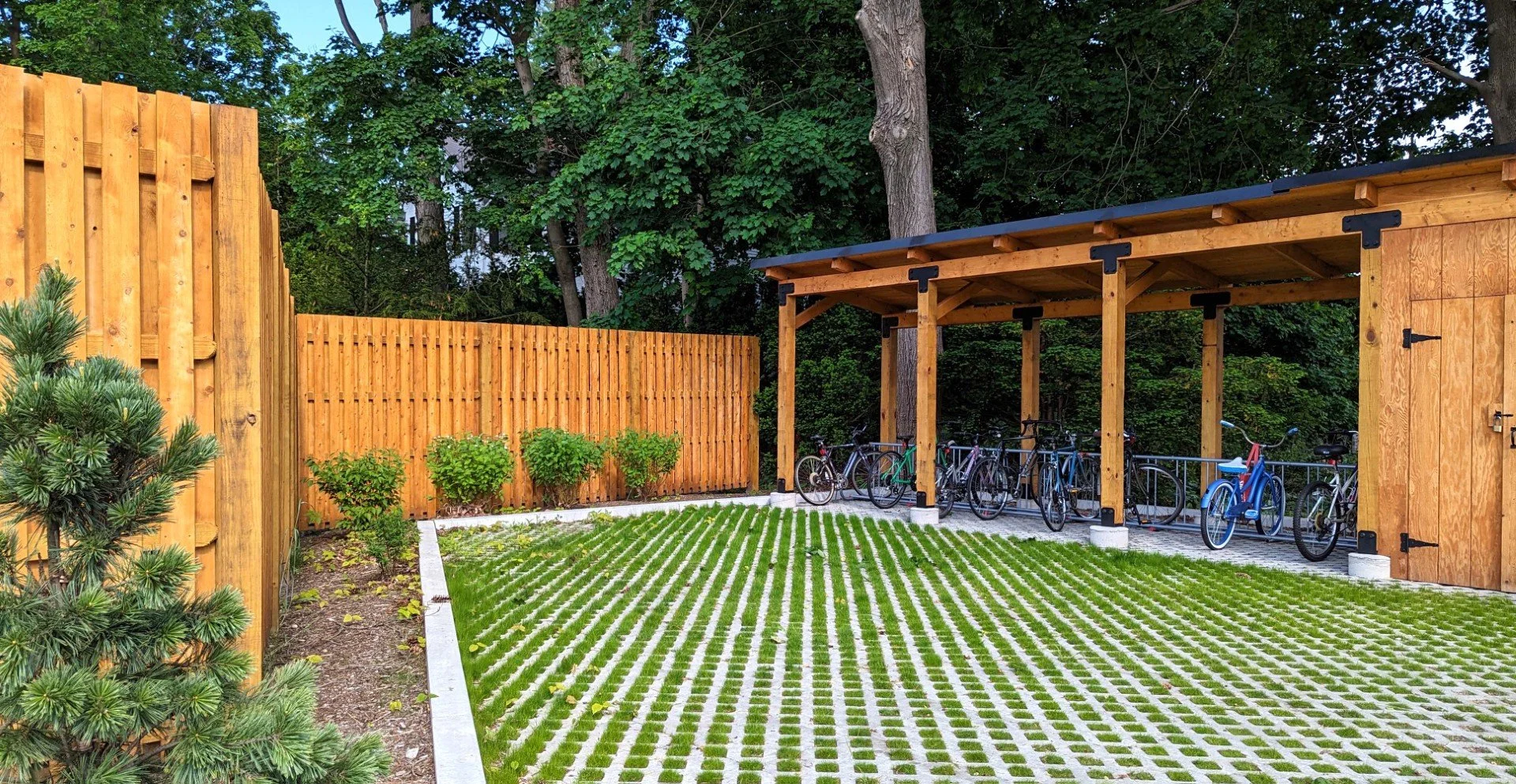
Porous Pavement
Green Roofs and Walls
Transit-Oriented Development